
Introduction
Dubai’s transformation into a global real estate powerhouse has made it one of the most attractive destinations for expatriates seeking both lifestyle and investment opportunities. One of the key factors driving this interest is the availability of freehold areas, where expats can enjoy full ownership rights — a privilege once reserved only for UAE nationals.
Since the introduction of freehold ownership laws in 2002, Dubai has expanded its freehold zones to include luxurious communities, Commercial hubs, and mixed-use developments across the city. For expats, this means the opportunity to own property outright, live in premium neighborhoods, or generate long-term rental income through strategic investments.
As we move into 2025, the Dubai real estate market continues to thrive, supported by strong demand from expat investors, government-backed infrastructure projects, and a transparent property ecosystem. This detailed guide explores the top freehold areas in Dubai that offer exceptional Residential Comfort & Commercial Profitability.
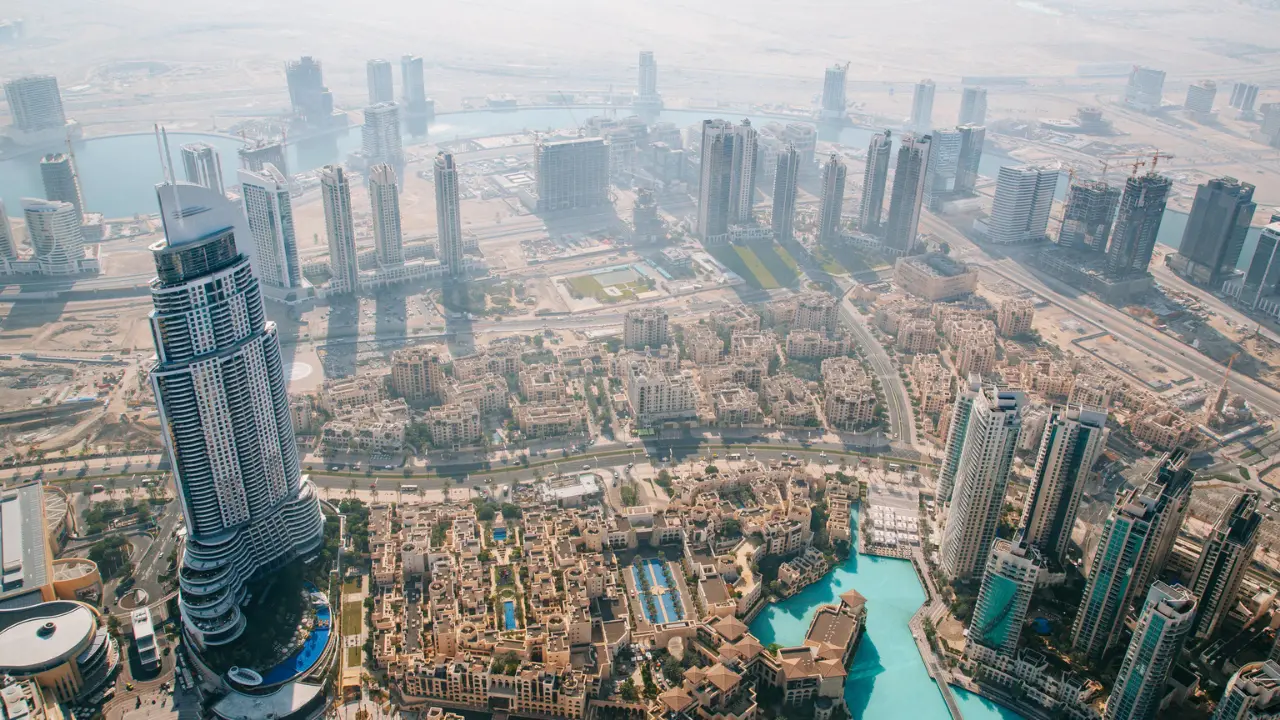
1. Understanding Freehold Property in Dubai
Before diving into specific areas, it’s important to understand what freehold ownership means in Dubai.
In simple terms, a freehold property allows full ownership of the unit and the land it stands on. Owners can sell, lease, or transfer ownership without restrictions, unlike leasehold properties, where ownership is limited to a specific duration (usually 30–99 years).
Key Benefits of Freehold Ownership:
- 100% Ownership Rights for expatriates
- Inheritance & Resale Freedom
- Long-term Investment Security
- Golden Visa Eligibility for properties valued above AED 2 million
- Access to Established Communities with modern infrastructure
Freehold zones are carefully designed to provide not only luxury living but also high-yield investment potential — a combination that makes Dubai’s real estate market globally competitive.
2. Why Freehold Areas Attract Expats in 2025
Dubai’s appeal lies in its cosmopolitan lifestyle, tax-free income, and pro-investor legal framework. Freehold zones provide expatriates the same property rights as locals, fostering a sense of permanence and ownership in one of the world’s most stable real estate markets.
Top Reasons Expats Prefer Freehold Areas:
- Ease of Ownership – Simple registration via Dubai Land Department (DLD).
- Diverse Property Options – From studio apartments to luxury villas and retail shops.
- High Rental Yields – ROI between 6–8% in most freehold zones.
- Global Connectivity – Proximity to airports, metro stations, and business centers.
- Community Living – Family-friendly amenities and international schools.
These factors have led to a surge in expat property purchases, especially from India, the UK, Russia, and Europe, contributing to Dubai’s record-breaking real estate transactions in 2024 and beyond.
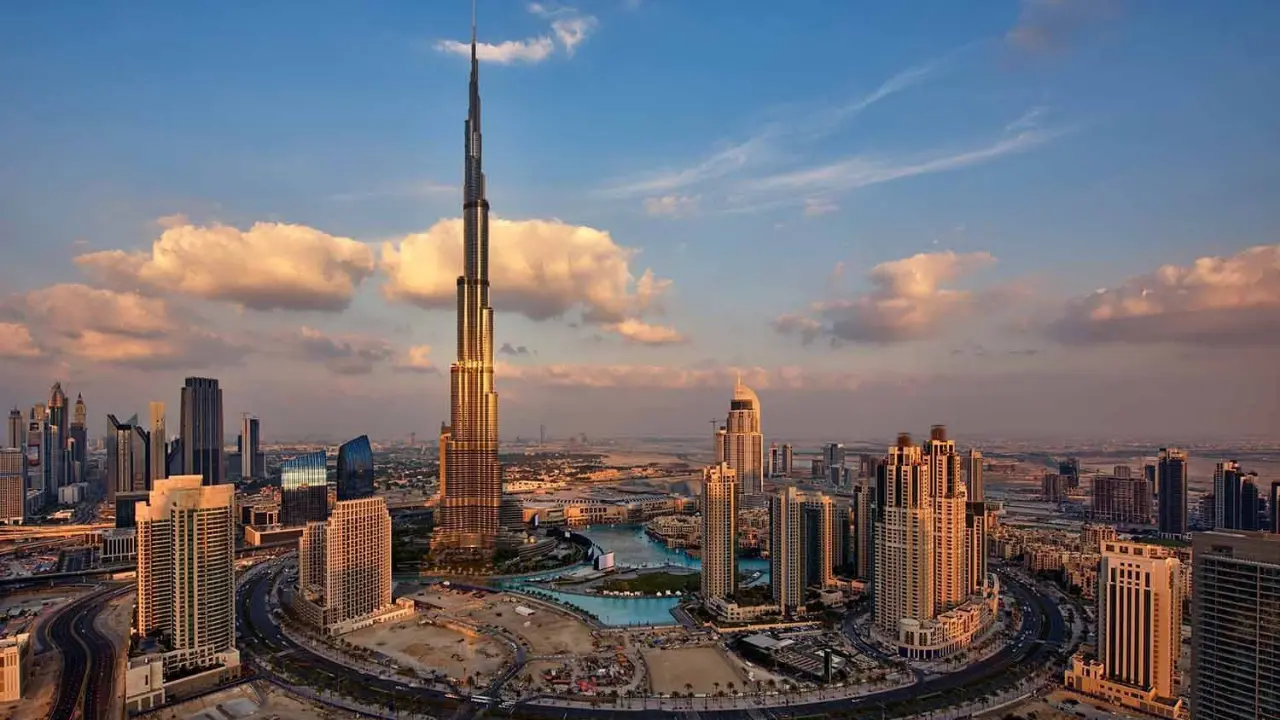
3. Top Freehold Areas in Dubai (2025 Overview)
Let’s explore the most promising freehold areas in Dubai for expats seeking residential comfort and commercial growth.
1. Downtown Dubai
Type: Residential & Commercial
Average ROI: 6–7%
Ideal For: Luxury lifestyle and short-term rental income
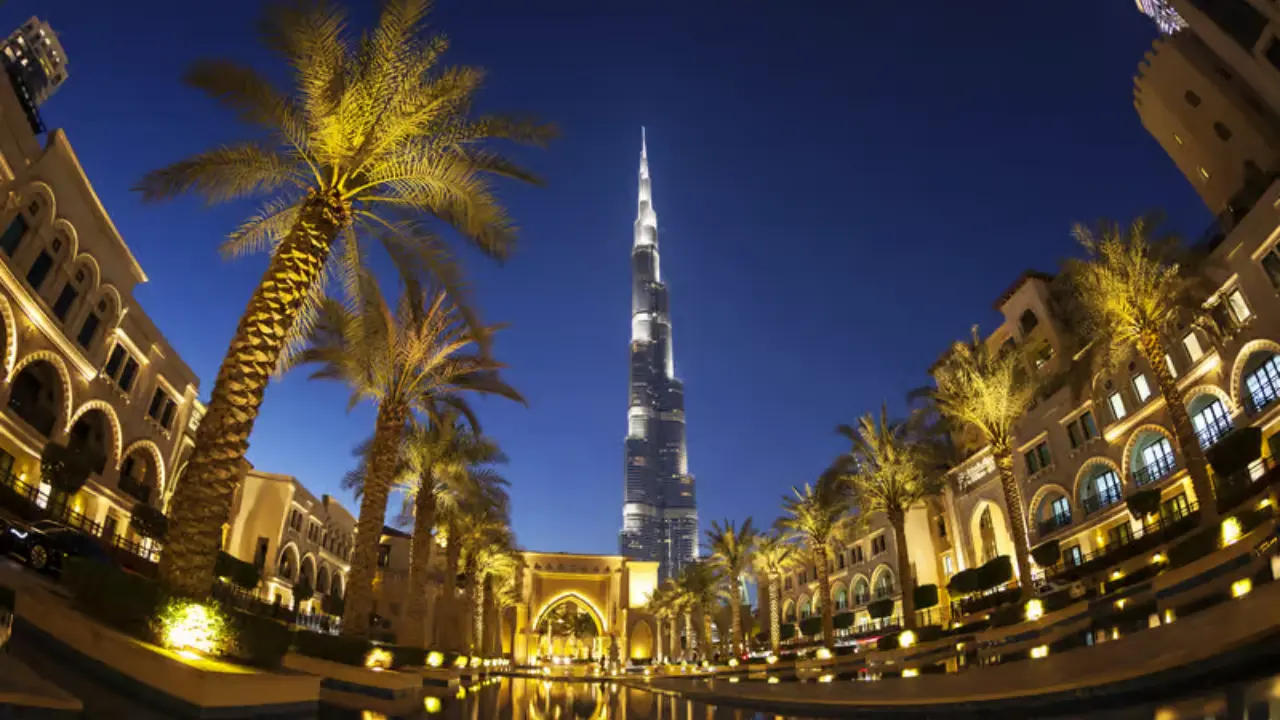
Downtown Dubai is the heart of the city, offering premium apartments with stunning views of Burj Khalifa and Dubai Fountain. Expats prefer this zone for its proximity to offices, shopping centers, and entertainment.
Key Investment Highlights:
- High occupancy from tourists and corporate tenants
- Strong short-term rental demand (Airbnb, holiday homes)
- Close to Dubai Mall & DIFC
- Premium projects by Emaar & DAMAC
Commercial Edge: Retail units in Souk Al Bahar and office towers like Emaar Square provide exceptional rental yields.
2. Business Bay
Type: Mixed-use (Residential + Commercial)
Average ROI: 7–8%
Ideal For: Investors seeking work-live-play environments
Located near Downtown, Business Bay has evolved into a bustling commercial hub with Grade-A office spaces and waterfront apartments. Its urban mixed-use model attracts both residents and corporate tenants.
Why Expats Invest Here:
- Central location and metro access
- High rental returns on offices and shops
- Vibrant lifestyle with cafes, hotels, and malls nearby
- Home to major global firms
2025 Outlook: With the upcoming Dubai Water Canal extensions, Business Bay will see continued appreciation in both residential and commercial sectors.
3. Palm Jumeirah
Type: Premium Residential + Hospitality Investment
Average ROI: 5–6%
Ideal For: Luxury property investors and short-term rentals
Palm Jumeirah remains an iconic symbol of Dubai’s architectural excellence. Expats prefer its beachfront villas, serviced apartments, and branded residences such as Atlantis The Royal and The Palm Tower.
Highlights:
- High-end clientele & rental demand from tourists
- Strong capital appreciation over the years
- Ideal for Airbnb and premium rentals
While residential dominates the area, retail outlets and boutique offices on The Pointe and Nakheel Mall also offer niche commercial opportunities.
4. Jumeirah Lake Towers (JLT)
Type: Commercial & Residential
Average ROI: 7–9%
Ideal For: Affordable business setups and steady residential income
JLT offers a perfect balance for mid-range investors. Its numerous office towers and apartment clusters make it ideal for mixed-use investment portfolios.
Benefits:
- Strong SME tenant demand
- Lower entry prices compared to Downtown
- Walking distance to metro stations
- Excellent leasing potential
Commercial Growth: Office spaces here attract startups, freelancers, and e-commerce businesses, ensuring consistent occupancy rates.
5. Dubai Marina
Type: Residential + Retail
Average ROI: 6–7%
Ideal For: Expats seeking waterfront living
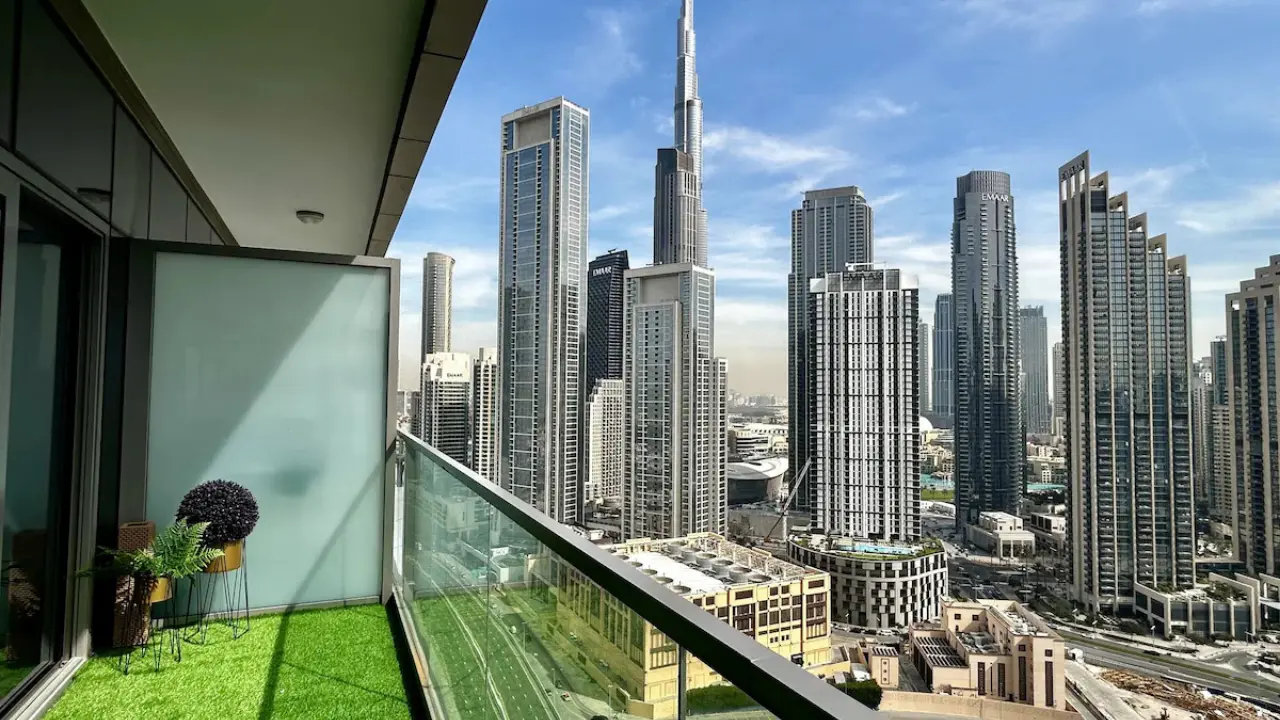
Dubai Marina remains one of the most desired expat communities. With its blend of high-rise apartments, retail zones, and marina-side dining, it continues to deliver solid rental yields and appreciation.
Investment Highlights:
- High short-term rental demand
- Premium projects by Select Group, Emaar
- Proximity to JBR, Bluewaters, and Palm Jumeirah
- Excellent resale liquidity
6. Jumeirah Village Circle (JVC)
Type: Residential + Retail
Average ROI: 7–8%
Ideal For: Budget-friendly investors and first-time buyers
One of the fastest-growing communities in Dubai, JVC offers affordable apartments, townhouses, and small retail outlets — all under freehold ownership.
Reasons to Invest:
- High occupancy from young professionals
- Consistent appreciation (10–12% YoY in 2024)
Numerous off-plan projects with flexible payment plans
7. Dubai South
Type: Commercial & Industrial + Emerging Residential
Average ROI: 8–9%
Ideal For: Business investors and logistics-based companies
Dubai South, near Al Maktoum International Airport, is emerging as a key freehold zone for commercial investors. It’s also part of the Expo 2020 legacy and Dubai’s future logistics corridor.
Why Invest:
- Proximity to DWC Airport
- Affordable freehold plots and warehouses
- Government-backed masterplan under Dubai 2040 Vision
- Rapidly growing expat housing demand
8. MBR City & Dubai Hills Estate
Type: Premium Residential
Average ROI: 5–6%
Ideal For: Luxury investors and families
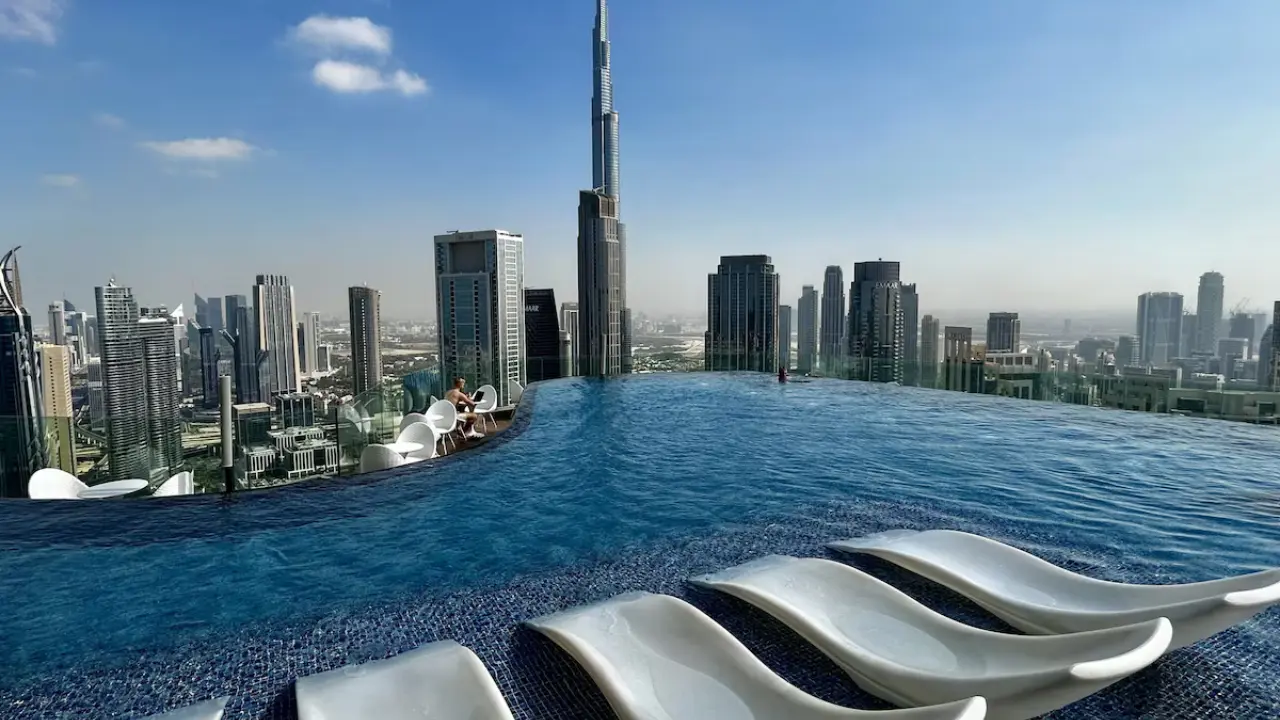
These new-generation master communities by Emaar and Sobha combine green living with smart infrastructure, attracting global investors looking for exclusive freehold luxury properties.
4. Residential vs Commercial Freehold Opportunities
| Category | Residential | Commercial |
|---|---|---|
|
ROI (2025) |
5 – 8% |
7 – 9% |
|
Tenant Type |
Expat Families, Short-term Renters |
Corporates, SMEs, Startups |
|
Demand Drivers |
Population Growth, Tourism |
Business Expansion, Trade |
|
Capital Appreciation |
Higher in Luxury Zones |
Steady, Moderate |
|
Ownership Advantage |
Lifetime Ownership |
High-income Leases |
Expats can combine both types of assets for portfolio diversification – a villa or apartment for lifestyle, and an office or shop for consistent income.
5. Freehold vs Leasehold – What Expats Should Know
| Feature | Freehold | Leasehold |
|---|---|---|
|
Ownership Rights |
Full ownership of property & land |
Time-bound lease (30–99 years) |
|
Control |
Full resale & modification rights |
Requires developer approval |
|
Eligibility |
Expats & locals |
Expats & locals |
|
Ideal For |
Long-term investors |
Short-term or lower-budget buyers |
For 2025, freehold remains the preferred choice for expats due to long-term ownership security and Dubai’s stable property laws.
Conclusion
Dubai’s freehold zones represent the foundation of its real estate success, offering expats a unique opportunity to invest, live, and build wealth in a global city. Whether it’s luxury living in Palm Jumeirah, affordable apartments in JVC, or commercial offices in Business Bay, each freehold area provides a distinct blend of lifestyle and profitability.
As we enter 2025, strategic investment in these zones — guided by experts like Shan Luxury Real Estate — ensures long-term stability, appreciation, and returns. With deep market insights and curated listings, Shan Luxury helps expats make confident, data-driven property decisions in Dubai’s thriving freehold landscape.
FAQs: Freehold Areas in Dubai for Expats 2025
Ans. Yes, expats can own freehold properties in designated zones with full ownership rights.
Ans. Which are the best freehold areas for expats in 2025?
Ans. Freehold grants full ownership, while leasehold is time-limited (30–99 years).
Ans. Yes, properties worth AED 2 million or more qualify for investor visas.
Ans. Residential offers stable occupancy; commercial provides higher ROI.
Ans. No, Dubai offers zero property and capital gains tax.
Ans. Absolutely, both short-term and long-term rentals are permitted.
Ans. JLT, Business Bay, and Dubai South yield 7–9% ROI.
Ans. Yes, via Dubai Land Department’s digital platform within 30 minutes.
Ans. Because Shan Luxury offers verified listings, legal support, and expert guidance tailored to expat investors.